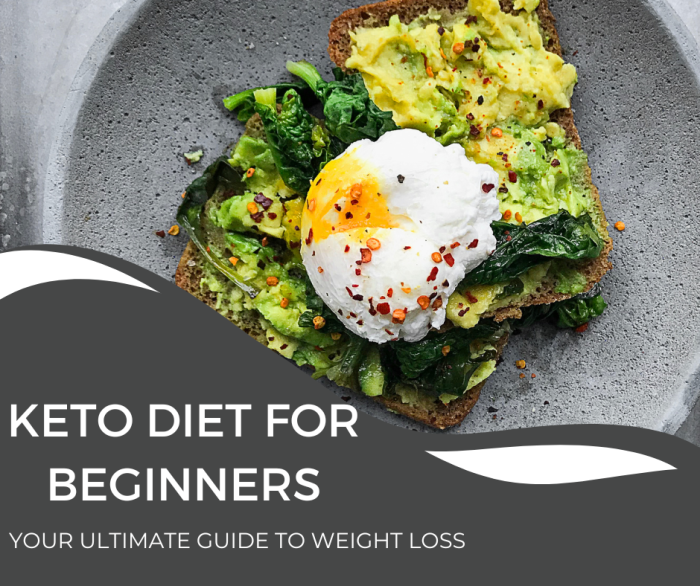
Keto diet for beginners opens the door to a transformative journey in health and wellness. Imagine shifting your body into a fat-burning powerhouse while enjoying delicious foods; this is the essence of the Keto diet. By swapping out carbohydrates for healthy fats, novices can embark on a path not only to weight loss but also to improved mental clarity and energy levels.
This guide will walk you through the fundamental principles of the Keto diet, offering insights into macronutrient ratios, health benefits, and practical advice on starting your Keto journey. You’ll discover how to navigate food choices, plan meals, and understand the potential impacts of this popular diet on your overall health.
Understanding the Keto Diet
The Keto diet, short for Ketogenic diet, is a low-carbohydrate, high-fat dietary approach that has gained significant popularity in recent years. This eating plan is designed to shift the body’s metabolism from burning glucose for energy to utilizing fat. By understanding the fundamental principles of the Keto diet, individuals can make informed decisions about their dietary choices and health.The primary principle of the Keto diet is to drastically reduce carbohydrate intake and replace it with fat.
This significant reduction in carbs puts the body into a metabolic state called ketosis. In ketosis, the body becomes incredibly efficient at burning fat for energy and converts fat into ketones in the liver, which can supply energy to the brain. To achieve and maintain ketosis, careful attention to macronutrient ratios is essential.
Macronutrient Ratios in the Keto Diet
The Keto diet typically emphasizes specific macronutrient ratios that distinguish it from other dietary approaches. Understanding these ratios can help individuals effectively implement the diet.
Fats
Approximately 70-75% of total daily calorie intake should come from fats. Healthy fats such as avocados, olive oil, nuts, and seeds are encouraged.
Proteins
About 20-25% of daily calories should come from protein sources, including meat, fish, eggs, and dairy. It’s essential to choose high-quality protein to support muscle maintenance.
Carbohydrates
Only 5-10% of total calories should come from carbohydrates, usually limited to around 20-50 grams per day. This typically includes non-starchy vegetables such as leafy greens and cruciferous vegetables.Following these ratios helps the body enter and maintain a state of ketosis, which is vital for the effectiveness of the Keto diet.
Potential Health Benefits of the Keto Diet
Adopting the Keto diet can lead to several health benefits, making it an attractive option for many individuals looking to improve their well-being. Here are some potential benefits associated with this dietary approach:
Weight Loss
Many people find that the Keto diet helps them lose weight quickly, as the body begins to burn stored fat for energy.
Improved Blood Sugar Control
For individuals with type 2 diabetes, the Keto diet may help regulate blood sugar levels and reduce the need for medication.
Enhanced Mental Clarity
Ketones produced during ketosis can provide a more stable energy source for the brain, which may result in improved focus and cognitive performance.
Reduced Appetite
High-fat intake tends to promote satiety, leading to reduced hunger and cravings, which can aid in weight management.
Increased Energy Levels
Once adapted, many individuals report increased energy levels and endurance, particularly during physical activities.
“The Keto diet encourages the body to utilize fat as its primary source of energy, leading to several potential health benefits.”
Starting the Keto Journey
Embarking on a Keto journey can seem daunting at first, but with the right guidance, you can make the transition smoother and more enjoyable. This low-carb, high-fat diet encourages your body to enter a state of ketosis, where it burns fat for energy instead of carbohydrates. Understanding the steps necessary to start this lifestyle will help you achieve your health goals effectively.To initiate your Keto journey successfully, follow a structured approach that includes understanding essential foods, meal planning, and mindful eating practices.
The following sections will provide you with a clear roadmap to kickstart your new diet.
Step-by-Step Guide to Start the Keto Diet
Starting the Keto diet involves a series of straightforward steps that gradually acclimate your body to its new fuel source. Here are key steps to take:
- Educate Yourself: Familiarize yourself with what constitutes the Keto diet, including macronutrient ratios.
- Prepare Your Kitchen: Clear out high-carb foods and stock up on Keto-friendly items.
- Calculate Your Macros: Determine your daily intake of carbohydrates, proteins, and fats based on your body type and goals.
- Gradually Reduce Carbs: Start lowering your carbohydrate intake to help your body adjust.
- Increase Healthy Fats: Incorporate healthy fats, such as avocados, olive oil, and nuts into your meals.
- Stay Hydrated: Drink plenty of water and consider adding electrolytes to manage your hydration.
- Monitor Your Progress: Keep track of your food intake, weight, and how you feel during this transition.
Common Foods to Include and Avoid in a Keto Diet
Choosing the right foods is crucial for success on a Keto diet. Below is a comprehensive list of foods to embrace and those to avoid.
Incorporating beneficial foods will help you sustain energy levels and stay in ketosis, while avoiding certain items will prevent unwanted carbohydrate spikes.
Foods to Include
- Meats: Beef, pork, chicken, and turkey.
- Fish: Salmon, trout, and sardines.
- Low-Carb Vegetables: Spinach, kale, broccoli, and cauliflower.
- Healthy Fats: Avocados, olive oil, and butter.
- Nuts and Seeds: Almonds, walnuts, and chia seeds.
- Dairy: Cheese, heavy cream, and Greek yogurt (unsweetened).
Foods to Avoid
- Grains: Bread, pasta, rice, and cereal.
- High-Sugar Foods: Candy, soda, and desserts.
- Starchy Vegetables: Potatoes, corn, and peas.
- Fruits: Bananas, apples, and oranges (most fruits are high in sugar).
- Processed Foods: Snack bars, chips, and pre-packaged meals.
Example Meal Plan for One Week on the Keto Diet
Creating a meal plan can make it easier to stick to your Keto diet by simplifying decisions about what to eat. Below is a sample one-week meal plan that showcases a variety of nutritious options.
| Day | Breakfast | Lunch | Dinner |
|---|---|---|---|
| Monday | Scrambled eggs with spinach and cheese | Grilled chicken salad with olive oil dressing | Steak with broccoli sautéed in butter |
| Tuesday | Greek yogurt with chia seeds and berries | Bacon-wrapped asparagus with avocado | Salmon with zucchini noodles |
| Wednesday | Omelette with mushrooms and feta cheese | Tuna salad with mayonnaise and leafy greens | Roasted pork chops with creamy cauliflower mash |
| Thursday | Breakfast casserole with eggs, sausage, and cheese | Egg salad lettuce wraps | Grilled shrimp with garlic butter and asparagus |
| Friday | Chia pudding made with coconut milk | Cauliflower rice stir-fry with chicken | Meatballs with zucchini spaghetti |
| Saturday | Avocado smoothie with spinach and almond milk | Cheese platter with nuts and olives | Roasted chicken thighs with Brussels sprouts |
| Sunday | Pancakes made from almond flour | Grilled vegetable salad with feta | Stuffed bell peppers with ground beef and cheese |
“Meal prep is essential to stay consistent and avoid temptation during your Keto journey.”
Health Implications of the Keto Diet
The ketogenic diet has gained popularity not just for its weight loss potential but also for various health implications it carries. While many have reported significant benefits, it is essential to examine both the positive and negative aspects of this dietary approach, especially for beginners navigating its complexities.
Impact on Weight Loss and Maintenance
The ketogenic diet can lead to substantial weight loss primarily through the mechanism of ketosis, where the body shifts from burning carbohydrates to burning fats for energy. This metabolic change can result in rapid weight loss, especially in the initial stages. Several studies have shown that individuals following a low-carb, high-fat diet often experience greater weight loss compared to those on traditional low-fat diets.
A report published in the
Journal of Clinical Endocrinology & Metabolism* indicated that participants adhering to a ketogenic diet lost an average of 12.7 kg over a 24-week period, compared to 7.3 kg for those following a balanced diet.
Furthermore, maintaining weight on a keto diet can be effective due to its satiating nature; higher fat and protein intake can enhance feelings of fullness, potentially reducing overall calorie consumption. However, ongoing adherence can be challenging, and individuals may experience weight regain if they revert to previous eating patterns.
Potential Risks and Side Effects
While the keto diet has its benefits, beginners should also be aware of potential risks and side effects they may encounter. Common adverse effects include:
- Keto Flu: Many beginners experience flu-like symptoms during the initial transition into ketosis, known as “keto flu.” Symptoms may include fatigue, headaches, dizziness, and irritability.
- Nutrient Deficiencies: Due to the restrictive nature of the diet, there may be a risk of deficiencies in essential vitamins and minerals, particularly if the diet is not well-planned.
- Digestive Issues: Some individuals may experience constipation or digestive discomfort because of the reduced intake of fibrous foods.
- Increased Cholesterol Levels: While some studies show improvements in lipid profiles, others have reported elevated LDL cholesterol levels in certain individuals.
Awareness and management of these potential side effects through proper diet planning and consultation with a healthcare professional can help mitigate risks.
Mental Health and Well-Being Effects
The ketogenic diet can also have a notable impact on mental health and cognitive functions. Some research suggests that the diet may provide neuroprotective benefits and has been studied for its effects on conditions such as epilepsy and Alzheimer’s disease. Additionally, the stabilization of blood sugar levels from reduced carbohydrate intake can lead to more consistent energy levels throughout the day, potentially reducing mood swings and irritability.
However, some individuals may face psychological challenges, particularly during the adjustment phase. Feelings of deprivation or stress associated with strict dietary restrictions can lead to anxiety or an unhealthy relationship with food. To support mental well-being while on a keto diet, it is crucial to focus on whole food choices, maintain social connections, and practice mindfulness around eating habits.
Interaction with Other Health Areas
The Keto diet’s impact extends beyond weight loss, intertwining with various aspects of health and fitness. Understanding these interactions is crucial for anyone considering the diet, as they can influence overall well-being and the effectiveness of fitness routines. This section delves into how the Keto diet relates to fitness, its influence on specific health conditions, and a comparison with alternative treatments in addiction recovery.
Relationship Between the Keto Diet and Fitness Routines
Integrating the Keto diet with fitness routines can yield different results compared to traditional dietary approaches. Individuals following a Keto plan often experience changes in energy levels and performance, particularly during high-intensity workouts. The ketogenic state prompts the body to utilize fats as its primary energy source, which can affect endurance and recovery times. To maximize fitness outcomes while on the Keto diet, it is important to consider the following factors:
- Adaptation Period: Transitioning to a Keto diet can initially lead to decreased energy levels for workouts. This phase may last from a few days to weeks, known as the “Keto flu,” where fatigue and irritability are common.
- Type of Exercise: Aerobic exercises may be more challenging during the adaptation phase, while weight training can often be sustained with proper Keto nutrition.
- Electrolyte Balance: Maintaining sodium, potassium, and magnesium levels is essential during Keto to prevent muscle cramps and fatigue during workouts.
Influence on Nutrition for Specific Conditions and Diseases
The Keto diet has garnered interest for its potential therapeutic effects on specific health conditions, particularly neurological disorders. Research has indicated that a ketogenic approach may offer benefits for individuals with epilepsy, Alzheimer’s disease, and certain types of cancer.Key impacts of the Keto diet on health conditions include:
- Epilepsy: The Keto diet has a long history of use in treating epilepsy, especially in children who do not respond to medication. It reduces seizure frequency and severity through mechanisms that are still under investigation.
- Alzheimer’s Disease: The diet may improve cognitive function in those with Alzheimer’s by providing an alternative energy source for brain cells that are resistant to glucose.
- Cancer: Some studies suggest that the Keto diet could help slow the growth of certain tumors by depriving cancer cells of glucose, which they typically rely on for energy.
Comparison with Alternative Treatments for Addiction Recovery
The Keto diet is increasingly being examined as a complementary approach in addiction recovery. Its ability to stabilize blood sugar levels and reduce cravings can be beneficial for individuals overcoming substance dependence. In comparing the Keto diet with traditional addiction recovery treatments, several aspects should be considered:
- Stability in Mood and Cravings: The reduction of sugar intake and the shift to fat as the primary energy source may help stabilize mood and lessen cravings associated with addiction.
- Nutritional Support: The Keto diet emphasizes whole foods, which can improve overall nutrition and physical health during recovery, addressing deficiencies commonly seen in individuals with addiction histories.
- Psychological Effects: The state of ketosis can enhance mental clarity and focus, potentially aiding individuals in managing their recovery journey more effectively.
Special Considerations
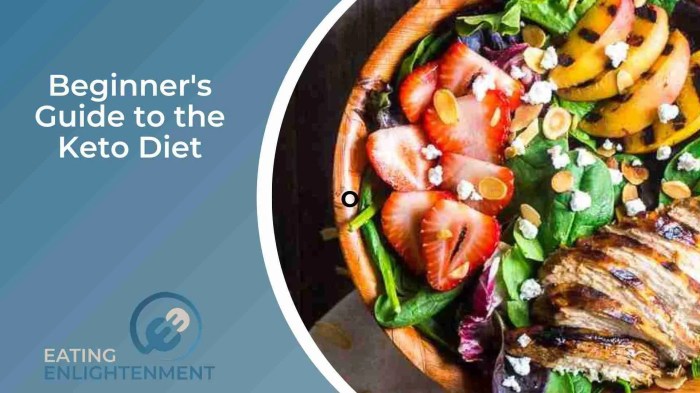
The Keto diet is a versatile nutritional approach that can be tailored to address specific health concerns and demographics. This section explores how the Keto diet can be adapted for women, its implications for children’s health, and the beauty benefits often claimed by its followers.
Adaptation for Women’s Health Issues
The Keto diet offers potential benefits for various women’s health issues, including hormonal balance and reproductive health. Its low-carb, high-fat paradigm may help manage conditions such as polycystic ovary syndrome (PCOS), which is often exacerbated by insulin resistance. By reducing carbohydrate intake, women may experience improved insulin sensitivity and more stable hormone levels.In addition, women undergoing menopause may find relief in certain symptoms by incorporating a Keto diet.
The anti-inflammatory properties of healthy fats can assist in reducing mood swings and other discomforts associated with hormonal changes. Furthermore, integrating nutrient-dense foods, like leafy greens and avocados, supports overall well-being.
Implications for Child Health and Nutrition
While the Keto diet has shown promise in managing obesity and epilepsy in children, it requires careful consideration. Proper nutrition is critical during childhood, and any dietary restrictions should be undertaken with professional guidance. The following points highlight important considerations for children on the Keto diet:
- Balanced Nutritional Intake: Ensure that children receive adequate vitamins and minerals from a variety of foods, including vegetables, dairy, and healthy fats.
- Monitoring Growth and Development: Regular check-ups with a healthcare provider are essential to track growth and ensure that the diet supports healthy development.
- Individualized Approach: Each child’s needs differ; a tailored approach is necessary to meet their unique health requirements and preferences.
- Potential Risks: Awareness of the risks associated with restrictive diets, such as nutrient deficiencies, is crucial in decision-making.
Beauty and Cosmetics Benefits
Advocates of the Keto diet often tout various beauty benefits, claiming improvements in skin health and overall appearance. The high-fat intake from healthy sources, such as coconut oil and avocados, is believed to enhance skin hydration and elasticity, potentially leading to a more youthful complexion. Furthermore, the diet’s emphasis on eliminating processed sugars may contribute to fewer breakouts and a reduction in inflammation, aiding skin conditions like acne.
Followers frequently note the following beauty benefits:
- Improved Skin Clarity: Reduced sugar intake can lead to fewer blemishes and a clearer complexion.
- Enhanced Hair Health: Healthy fats are thought to nourish hair follicles, promoting growth and shine.
- Weight Management: Many individuals experience weight loss on the Keto diet, contributing to increased confidence and body positivity.
- Energy Levels: The sustained energy provided by fats may enhance overall vitality, positively impacting one’s appearance and demeanor.
Ultimate Conclusion
In conclusion, the Keto diet for beginners is more than just a diet; it’s a lifestyle change that can lead to significant health benefits. By understanding its principles and incorporating them into daily life, you’ll not only achieve weight loss but also enhance your well-being. So why wait? Dive into the Keto world and discover the amazing possibilities that await you!
FAQ Explained
What foods can I eat on the Keto diet?
On the Keto diet, you can enjoy foods like meat, fatty fish, eggs, dairy, low-carb vegetables, nuts, and healthy oils.
Is the Keto diet safe for everyone?
While many can safely follow the Keto diet, it’s essential to consult a healthcare professional, especially if you have underlying health conditions.
Can I exercise while on the Keto diet?
Yes, you can exercise on the Keto diet, although some may experience a temporary decrease in energy during the initial adaptation phase.
How long does it take to enter ketosis?
Typically, it takes about 2 to 7 days of following a strict low-carb, high-fat diet to enter ketosis.
Will I gain weight back after stopping the Keto diet?
Weight regain is possible if you revert to unhealthy eating patterns, so it’s crucial to adopt a balanced approach post-diet.