High-protein diet for weight loss is gaining significant attention as more people seek effective methods to shed pounds while maintaining muscle mass. Known for its ability to curb hunger and boost metabolism, a high-protein approach can transform the way we think about dieting. This guide will delve into the essential elements of a high-protein diet, its nutritional benefits, and practical tips for effortless meal planning.
From understanding the basics of protein-rich foods to exploring their impact on health and wellness, this overview covers everything you need to know to embark on your weight loss journey. With a balanced approach, you can enjoy delicious meals while achieving your fitness goals.
High-Protein Diet Basics
A high-protein diet emphasizes the consumption of protein-rich foods while reducing the intake of carbohydrates and fats. This dietary approach is not only effective for weight loss but also plays a crucial role in muscle preservation and overall health. By prioritizing protein, individuals can enhance their satiety levels, maintain lean muscle mass, and promote fat loss.The fundamental principle of a high-protein diet revolves around increasing the percentage of calories derived from protein sources.
This shift encourages the body to utilize stored fat for energy while retaining muscle, especially during calorie restriction. Protein has a high thermic effect, meaning it requires more energy to digest compared to fats and carbohydrates, which further aids in weight loss.
High-Protein Foods and Their Benefits
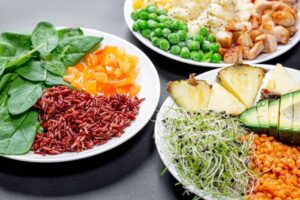
Incorporating a variety of high-protein foods into your meals is vital for maximizing the benefits of a high-protein diet. Here’s a list of some excellent sources of protein and their specific advantages for weight loss:
- Chicken Breast: Lean and versatile, chicken breast is low in fat and high in protein, making it an ideal choice for maintaining muscle mass while cutting calories.
- Fish: Rich in omega-3 fatty acids, fish like salmon and tuna promote heart health while offering high protein content that supports muscle recovery.
- Eggs: Packed with protein and healthy fats, eggs can enhance feelings of fullness and prevent overeating throughout the day.
- Greek Yogurt: Higher in protein than regular yogurt, Greek yogurt supports muscle growth and provides probiotics for digestive health.
- Legumes: Beans and lentils are excellent plant-based protein sources that are also high in fiber, promoting satiety and reducing appetite.
- Nuts and Seeds: Though calorie-dense, nuts and seeds provide healthy fats, protein, and fiber that can help manage hunger and support weight loss.
Including these foods in your diet not only helps with weight management but also contributes to overall nutritional balance.
Muscle Maintenance During Weight Loss
A significant advantage of a high-protein diet is its role in preserving lean muscle mass during weight loss. As individuals reduce their caloric intake, there is a natural risk of losing muscle along with fat. This is where a high-protein approach becomes critical.Protein is essential for muscle repair and growth, thus, higher intake levels can mitigate muscle loss. Research indicates that diets with adequate protein can significantly reduce the loss of muscle mass while promoting fat loss.
Additionally, engaging in resistance training while following a high-protein diet further stimulates muscle retention.
“High protein intake not only supports muscle preservation but also enhances metabolic rate, leading to more effective weight loss.”
In summary, adopting a high-protein diet can be a powerful strategy for weight loss while ensuring that the body retains lean muscle. The benefits derived from consuming high-protein foods extend beyond just weight management, positively influencing overall health and well-being.
Nutrition and Meal Planning
A high-protein diet can be a powerful tool for weight loss, provided that it is planned effectively. In this section, we will delve into the specifics of meal planning while emphasizing the importance of nutrition balance. With a well-structured approach, you can enjoy meals that are not only satisfying but also keep you on track with your weight loss goals.Balancing macronutrients is crucial when adopting a high-protein diet.
While protein is emphasized, it’s important to incorporate healthy fats and carbohydrates to ensure your body receives all the nutrients it needs. This balance helps maintain energy levels, supports metabolic functions, and promotes overall health. A well-rounded diet can also prevent feelings of deprivation, making it easier to stick with your dietary changes in the long term.
Sample Meal Plan for a Week
Planning your meals in advance can simplify your grocery shopping and cooking, making it easier to adhere to a high-protein diet. Below is a sample meal plan for one week, featuring meals that are both high in protein and balanced with other essential nutrients.
| Day | Breakfast | Lunch | Dinner | Snacks |
|---|---|---|---|---|
| Monday | Greek yogurt with berries and almonds | Grilled chicken salad with mixed greens | Baked salmon with quinoa and broccoli | Hard-boiled eggs |
| Tuesday | Protein smoothie with spinach and banana | Tuna salad on whole grain bread | Stir-fried tofu with vegetables | Cottage cheese with pineapple |
| Wednesday | Scrambled eggs with spinach and feta | Quinoa and black bean bowl | Grilled turkey burger with sweet potato fries | Mixed nuts |
| Thursday | Oatmeal with protein powder and walnuts | Chicken wrap with hummus and veggies | Stuffed bell peppers with lean ground beef | Peanut butter on apple slices |
| Friday | Chia seed pudding with almond milk | Salmon salad with avocado | Zucchini noodles with shrimp | Protein bar |
| Saturday | Breakfast burrito with eggs and turkey | Beef stir-fry with brown rice | Eggplant lasagna with ricotta | Yogurt with granola |
| Sunday | Pancakes made with protein powder | Grilled chicken with roasted vegetables | Lentil soup with whole grain bread | Veggie sticks with hummus |
Tips for Quick High-Protein Meal Preparation
Preparing high-protein meals can be efficient and straightforward. Here are some tips to help you whip up nutritious meals quickly:
Meal Prepping
Dedicate a few hours each week to cook and portion out meals in advance. This minimizes daily cooking time and makes it easier to grab a healthy option on busy days.
Batch Cooking
Prepare large quantities of high-protein staples, such as grilled chicken, quinoa, or legumes. Store them in containers for use throughout the week, allowing for quick assembly of meals.
One-Pan Meals
Opt for recipes that allow you to cook protein, vegetables, and grains together in one pan. This saves time on both cooking and cleanup.
Use Convenience Items
Don’t hesitate to use pre-cooked or canned options, like rotisserie chicken or canned beans. These can save time while still providing essential nutrients.
Keep Snacks Handy
Stock up on high-protein snacks like nuts, yogurt, or protein bars. Having these on hand helps avoid unhealthy snacking when hunger strikes.
Invest in a Slow Cooker or Instant Pot
These appliances can cook meals while you go about your day, allowing high-protein dishes to be ready when you are without extensive hands-on time.Incorporating these strategies can streamline your cooking process, helping you maintain your high-protein diet without feeling overwhelmed. Proper meal planning ensures you stay nourished, energized, and on track with your weight loss journey.
Associated Health Impacts
High-protein diets have garnered attention not just for their role in weight loss but also for their potential health benefits. Emerging research highlights a significant relationship between high-protein intake and various health aspects, including mental health improvement, management of specific conditions, and support for women’s health issues. High-protein diets can have profound effects on mental health by influencing brain function and mood regulation.
Research suggests that protein-rich foods contribute to the synthesis of neurotransmitters, which are critical for mood stabilization and cognitive function. For instance, amino acids derived from proteins are precursors to serotonin and dopamine, neurotransmitters that play a pivotal role in regulating mood, sleep, and emotional well-being. Additionally, protein intake has been linked to reductions in anxiety and depression symptoms, enhancing overall mental clarity and emotional resilience.
Mental Health Improvement
Several studies illuminate the positive correlation between high-protein diets and improved mental health outcomes. Some of the key findings include:
- Increased protein intake is associated with better mood and lower levels of anxiety, likely due to enhanced neurotransmitter production.
- Participants in studies who consumed higher amounts of protein exhibited improved cognitive performance and memory retention.
- High-protein diets may aid in reducing symptoms of depression, especially when combined with other nutritional strategies.
The role of high-protein diets extends beyond mental health; they are also instrumental in managing specific health conditions and diseases. Research indicates that protein plays a crucial role in the body’s repair processes and immune function. For individuals with chronic illnesses such as diabetes or cardiovascular disease, a high-protein diet can help regulate blood sugar levels and improve heart health.
Management of Chronic Conditions
High-protein diets can serve as effective nutritional interventions for managing various chronic conditions. Notable benefits include:
- For individuals with diabetes, protein-rich foods help slow the absorption of glucose, stabilizing blood sugar levels.
- High-protein diets can promote satiety, which is beneficial for weight management in individuals with obesity-related conditions.
- Studies have shown that a focus on lean proteins can lower cholesterol levels and reduce cardiovascular disease risk.
Furthermore, high-protein diets can specifically support women’s health issues, addressing unique nutritional needs throughout different life stages. From pregnancy to menopause, adequate protein intake is essential for maintaining muscle mass, bone density, and overall vitality.
Support for Women’s Health
The relationship between high-protein diets and women’s health encompasses various aspects that contribute to overall well-being. Key insights include:
- Protein is vital during pregnancy for fetal development and maternal health, supporting muscle and tissue growth.
- During menopause, increased protein can help mitigate muscle loss and support metabolic health.
- Women often have specific fitness and metabolic goals, and high-protein diets can enhance physical performance and recovery.
In summary, high-protein diets play a multifaceted role in health, not just in weight management but also in enhancing mental health, managing chronic conditions, and supporting women’s health needs. The evidence underscores the importance of incorporating sufficient protein into the diet for overall health improvement.
Last Recap

In conclusion, adopting a high-protein diet for weight loss not only aids in shedding unwanted pounds but also promotes overall well-being. By incorporating nutrient-dense foods and maintaining a balanced diet, you can enjoy the journey toward improved health and fitness. Remember, it’s about finding what works best for you and making sustainable choices that fit your lifestyle.
FAQ Explained
What are some quick high-protein snack options?
Some quick options include Greek yogurt, cottage cheese, hard-boiled eggs, and protein bars.
Can I lose muscle on a high-protein diet?
No, a high-protein diet can help maintain muscle mass during weight loss when combined with strength training.
How much protein do I need daily for weight loss?
Generally, aim for 1.2 to 2.0 grams of protein per kilogram of body weight, depending on your activity level.
Are there any side effects of a high-protein diet?
Some individuals may experience digestive issues or dehydration, so it’s essential to balance your diet with adequate fiber and fluids.
Is a high-protein diet suitable for everyone?
While many can benefit, it’s best to consult with a healthcare professional before making significant dietary changes.