Healthy aging for women is an essential topic that combines the wisdom of years with the vitality of life. As women age, understanding the importance of nutrition, fitness, and mental well-being becomes crucial for maintaining a fulfilling lifestyle. With the right strategies, women can embrace this stage of life with grace and enthusiasm, ensuring their health and happiness for years to come.
This discussion will explore vital nutrients, effective exercise programs, and mental health strategies tailored specifically for women over 50. By prioritizing these aspects, women can not only enhance their physical health but also cultivate emotional resilience and strong social connections.
Nutrition for Healthy Aging
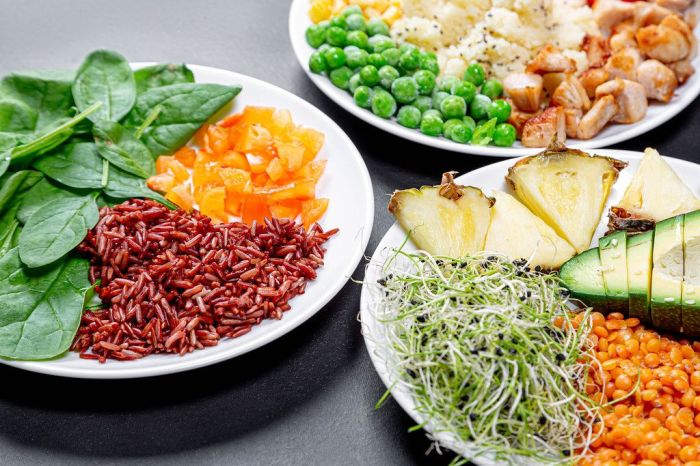
As women age, the role of nutrition becomes increasingly vital for maintaining health and vitality. Proper nutrition not only supports physical health but also enhances mental well-being and overall quality of life. Emphasizing whole foods and balanced nutrition is essential for women over 50, as their bodies undergo various changes that require specific nutrients to support longevity and vitality.Essential nutrients play a crucial role in combating age-related decline and promoting healthy aging.
Key nutrients include protein, calcium, vitamin D, omega-3 fatty acids, and antioxidants. These nutrients aid in muscle maintenance, bone health, and cognitive function, while also reducing inflammation and the risk of chronic diseases.
Essential Nutrients for Women Over 50
A well-rounded diet for women over 50 should focus on nutrient-dense foods that provide the necessary vitamins and minerals. The following are some essential nutrients and their benefits:
- Protein: Vital for muscle maintenance and repair, protein helps counteract age-related muscle loss. Sources include lean meats, fish, eggs, beans, and legumes.
- Calcium: This mineral is necessary for maintaining bone density and preventing osteoporosis. Dairy products, leafy greens, and fortified plant-based milks are excellent sources.
- Vitamin D: Essential for calcium absorption, vitamin D can be obtained from sunlight, fatty fish, and fortified foods. It plays a role in immune function and overall health.
- Omega-3 Fatty Acids: These healthy fats support heart health, reduce inflammation, and promote brain function. Sources include fatty fish like salmon, walnuts, and chia seeds.
- Antioxidants: Found in fruits and vegetables, antioxidants protect cells from oxidative stress. Berries, dark chocolate, and green leafy vegetables are rich in these compounds.
Meal Plan for Women Over 50
A balanced meal plan emphasizing whole foods can significantly impact health and longevity. Below is a sample meal plan that includes a variety of nutrient-rich foods:
| Meal | Food Choices |
|---|---|
| Breakfast | Oatmeal topped with berries and a sprinkle of walnuts, served with a glass of fortified almond milk. |
| Lunch | Grilled chicken salad with mixed greens, cherry tomatoes, avocados, and a vinaigrette dressing, paired with a whole grain roll. |
| Snack | Greek yogurt with honey and sliced almonds. |
| Dinner | Baked salmon with quinoa and steamed broccoli, finished with a side of mixed fruit salad. |
| Hydration | At least 8 glasses of water throughout the day, herbal teas, and occasional coconut water for added electrolytes. |
Role of Hydration in Healthy Aging
Maintaining adequate hydration is crucial for overall health, especially as women age. Proper hydration supports bodily functions, including digestion, circulation, and temperature regulation. Dehydration can lead to cognitive decline, kidney problems, and increased risk of urinary tract infections, which are more common in older women.It’s important to aim for at least 8 cups (64 ounces) of water daily, though individual needs may vary based on activity level, climate, and overall health.
Incorporating hydrating foods such as cucumbers, oranges, and watermelons can also help meet hydration needs while providing additional nutrients.
“Staying hydrated is as important as a balanced diet for maintaining health and vitality as we age.”
Fitness and Exercise Regimens
Physical fitness plays a crucial role in healthy aging for women. As we grow older, maintaining an active lifestyle becomes essential for overall well-being. Exercise not only strengthens the body but also improves mental health, enhances flexibility, and supports cardiovascular health. Here’s a structured approach to create a fitness regimen that suits women at different life stages, along with motivational strategies to stay committed to the journey of fitness.
Exercise Program for Strength, Flexibility, and Cardiovascular Health
Creating a balanced exercise program involves incorporating various types of workouts that target strength, flexibility, and cardiovascular endurance. Here’s a sample weekly exercise schedule designed specifically for women:
Sample Weekly Exercise Plan:
- Monday: Strength training (30 minutes)
-Focus on major muscle groups using free weights or resistance bands. - Tuesday: Cardiovascular workout (30 minutes)
-Engage in brisk walking, cycling, or swimming. - Wednesday: Flexibility exercises (30 minutes)
-Include yoga or Pilates to enhance flexibility and reduce stress. - Thursday: Strength training (30 minutes)
-Incorporate bodyweight exercises like squats, lunges, and push-ups. - Friday: Cardiovascular workout (30 minutes)
-Try dancing, aerobics, or a group fitness class for a fun approach. - Saturday: Active recovery (30 minutes)
-Engage in light activities like walking, gardening, or leisurely biking. - Sunday: Rest day – Allow your body to recover and rejuvenate.
This program emphasizes a comprehensive approach that incorporates all essential components of fitness. It is advisable to consult a healthcare professional before starting any new exercise routine, especially for those with pre-existing health conditions.
Motivational Tips for Staying Consistent with Fitness
Maintaining motivation throughout one’s fitness journey can be challenging, particularly as we age. Here are some effective strategies to help women stay committed to their fitness routines:
- Set realistic goals: Establish achievable and specific fitness goals to track progress, celebrating small victories along the way.
- Find a workout buddy: Exercising with a friend can encourage accountability and make workouts more enjoyable.
- Mix up routines: Diversify your workouts to keep things interesting and avoid boredom; try new classes or outdoor activities.
- Schedule workouts like appointments: Treat fitness sessions as essential commitments to prioritize your health.
- Reward yourself: Celebrate milestones with non-food rewards, such as a spa day, new workout gear, or a fun outing.
By implementing these tips, women can cultivate a lasting habit of fitness that evolves with their needs over time.
Importance of Physical Activity for Mental Health
Engaging in regular physical activity significantly contributes to mental well-being, particularly for women as they age. Exercise triggers the release of endorphins, commonly known as “feel-good” hormones, which can alleviate symptoms of anxiety and depression. Furthermore, staying active can enhance cognitive function and memory. Here are some benefits of physical activity on mental health:
- Stress reduction: Physical activity serves as a natural stress reliever, helping to lower cortisol levels.
- Improved mood: Regular exercise can increase feelings of happiness and fulfillment.
- Enhanced social connections: Group activities foster social engagement, reducing feelings of isolation.
- Boosted self-esteem: Achieving fitness goals can improve confidence and self-worth.
Incorporating physical activity into daily life not only strengthens the body but also uplifts the spirit, making it a fundamental aspect of healthy aging for women.
Mental Health and Well-Being
As women age, the importance of mental health and well-being becomes increasingly evident. Maintaining emotional stability and a positive outlook is crucial for overall health. Social connections, stress management, and mindfulness are significant aspects that contribute to mental resilience in aging women. Fostering these elements can significantly enhance quality of life and promote healthy aging.
Impact of Social Connections
Strong social connections play a fundamental role in the mental health of aging women. Engaging with friends, family, and community members provides emotional support, reduces feelings of loneliness, and promotes a sense of belonging. Studies indicate that women with robust social networks experience lower levels of depression and anxiety.
- Social interactions help stimulate mental engagement, which is vital for cognitive health.
- Participating in group activities can lead to increased motivation and accountability in physical exercise and wellness routines.
- Shared experiences and emotional support can mitigate the effects of stress and life transitions, such as retirement or loss of loved ones.
Strategies for Managing Stress and Anxiety
Aging can bring various stressors, from health concerns to changes in lifestyle. Implementing effective stress management strategies is essential for maintaining mental clarity and emotional well-being.
- Establishing a daily routine can provide structure and predictability, which helps reduce anxiety.
- Incorporating physical activity into daily life, such as walking or yoga, can release endorphins, thereby decreasing stress levels.
- Engaging in hobbies or activities that bring joy can serve as a distraction and improve mood.
- Practicing time management can alleviate feelings of being overwhelmed.
Importance of Mindfulness and Meditation Practices
Mindfulness and meditation are powerful tools for enhancing mental resilience. These practices encourage a focus on the present moment, which can help aging women cope with the challenges of life more effectively.
- Mindfulness practices, such as deep breathing and body scans, can lower stress levels and enhance emotional regulation.
- Regular meditation has been shown to improve cognitive function and reduce symptoms of anxiety and depression.
- Incorporating mindfulness into daily activities, like eating or walking, can foster a greater appreciation for life and promote mental clarity.
“Mindfulness is the practice of being aware of the present moment without judgment, which can lead to greater peace of mind and emotional stability.”
Adopting these strategies and recognizing the importance of social connections can significantly enhance the mental well-being of aging women. Prioritizing mental health through meaningful relationships, effective stress management, and mindfulness practices not only contributes to a fulfilling life but also supports overall health as women navigate the aging process.
Final Thoughts
In summary, Healthy aging for women represents a holistic approach to living well as we grow older. By focusing on balanced nutrition, staying active, and nurturing mental health, women can navigate the aging process with confidence and joy. The journey of aging is not just about adding years to life; it’s about adding life to years, and every woman deserves to experience this to the fullest.
User Queries
What are the best nutrients for women over 50?
Key nutrients include calcium, vitamin D, omega-3 fatty acids, and antioxidants, which support bone health, heart health, and overall well-being.
How can women stay motivated to exercise as they age?
Setting realistic goals, finding enjoyable activities, and exercising with friends can help maintain motivation and commitment to a fitness routine.
What role does hydration play in healthy aging?
Staying hydrated is crucial for maintaining energy, cognitive function, and skin health, particularly as women age and may experience decreased thirst perception.
How can mindfulness practices benefit aging women?
Mindfulness can reduce stress, improve emotional regulation, and enhance overall life satisfaction, making it an essential practice for mental resilience.
What are effective ways to manage stress in older age?
Incorporating relaxation techniques, such as deep breathing, yoga, and socializing, can effectively manage stress and promote mental well-being.