
Sleep and weight management intertwine in ways that significantly influence our overall health. Understanding how our sleep patterns affect our metabolism and appetite can shed light on the challenges many face in their weight loss journeys. With a focus on the hormonal balance disrupted by poor sleep, we can explore effective methods for enhancing sleep hygiene that not only promote better rest but also support our weight management efforts.
The relationship between sleep disorders and weight gain is a growing concern, affecting countless individuals. By examining the statistics surrounding sleep issues and their link to obesity, we can appreciate the importance of addressing these factors through targeted treatment options. Integrating sleep wellness into our daily routines can serve as a powerful ally in achieving and maintaining a healthy weight.
The Connection Between Sleep and Weight Management
The relationship between sleep and weight management is a complex yet crucial aspect of overall health. A good night’s sleep is often overlooked, but it plays a significant role in regulating metabolism and appetite. Poor sleep hygiene can lead to a variety of physiological changes that may contribute to weight gain and difficulties in losing weight. Understanding this connection provides valuable insights for anyone looking to improve their health and manage their weight effectively.Poor sleep can have detrimental effects on metabolism and appetite regulation.
When sleep is insufficient, the body experiences hormonal imbalances that can lead to increased feelings of hunger and cravings for high-calorie foods. Research shows that sleep deprivation can lead to decreased insulin sensitivity, which impairs the body’s ability to metabolize glucose and can result in weight gain over time.
The Role of Hormones in Sleep and Weight Gain
Several hormones play a pivotal role in regulating appetite and weight, and their levels are significantly affected by sleep quality. Ghrelin, known as the “hunger hormone,” increases when a person is sleep-deprived, leading to increased appetite. Conversely, leptin, the hormone responsible for signaling fullness, decreases with poor sleep, contributing to overeating.In addition to ghrelin and leptin, cortisol, a stress hormone, is also influenced by sleep patterns.
Chronic sleep deprivation raises cortisol levels, which is associated with increased fat storage, particularly in the abdominal area. This hormonal imbalance illustrates how essential quality sleep is for maintaining a healthy weight.To support weight loss efforts, improving sleep hygiene is crucial. Establishing a consistent sleep schedule, creating a relaxing bedtime routine, and optimizing the sleep environment can greatly enhance sleep quality.
Key strategies include:
- Maintaining a regular sleep schedule by going to bed and waking up at the same time every day.
- Creating a calming pre-sleep routine, such as reading or taking a warm bath, to signal the body that it’s time to wind down.
- Ensuring a comfortable sleep environment, which includes a cool, dark, and quiet bedroom, to minimize disruptions.
- Avoiding caffeine and heavy meals close to bedtime to prevent sleep disturbances.
- Limiting screen time from phones, tablets, and televisions at least an hour before bed, as the blue light emitted can interfere with the production of melatonin, the sleep hormone.
Implementing these strategies can lead to improved sleep quality, which in turn supports healthier weight management and overall well-being.
Sleep Disorders and Their Impact on Weight
Sleep disorders can significantly interfere with weight management, complicating efforts to maintain a healthy lifestyle. Poor sleep quality often leads to hormonal imbalances that influence appetite and metabolism, creating a cycle that can be difficult to break. By understanding the relationship between sleep disorders and weight gain, individuals can make informed decisions regarding their health.Common sleep disorders include sleep apnea, insomnia, and restless leg syndrome.
Each of these conditions can seriously affect a person’s ability to achieve restorative sleep, resulting in fatigue and increased cravings for high-calorie foods. For instance, individuals with sleep apnea experience interrupted breathing, leading to daytime sleepiness and a higher likelihood of overeating. The impact of sleep disorders on weight management is profound, as numerous studies suggest a strong correlation between poor sleep and obesity.
Prevalence of Sleep Issues in Individuals with Obesity
Research indicates that sleep disorders are particularly prevalent among individuals struggling with obesity. According to the National Sleep Foundation, approximately 70% of obese individuals report experiencing sleep disturbances. This statistic highlights the urgent need to address sleep hygiene as part of any weight management program.The following points illustrate the relationship between obesity and sleep issues, emphasizing the importance of recognizing these problems:
- Sleep apnea is more common in individuals with a body mass index (BMI) over 30, affecting more than 50% of this population.
- Insomnia has been linked to obesity, with studies showing that those who experience sleep problems are at a higher risk of weight gain.
- Chronic sleep deprivation can lead to hormonal changes, increasing levels of ghrelin (the hunger hormone) and decreasing leptin (the satiety hormone), which can contribute to overeating.
Treatment Options for Sleep Disorders
Addressing sleep disorders is crucial for achieving and maintaining a healthier weight. Various treatment options are available that can significantly improve sleep quality and, in turn, aid in weight management efforts. These options include lifestyle changes, medical interventions, and therapeutic approaches.An overview of effective treatment methods is provided below to illustrate how they can positively impact sleep and weight:
- Cognitive Behavioral Therapy for Insomnia (CBT-I): This therapy focuses on changing sleep-related behaviors and thoughts, yielding long-term benefits for sleep quality.
- Weight Management Programs: Engaging in structured weight management can alleviate symptoms of sleep disorders and enhance overall health.
- Continuous Positive Airway Pressure (CPAP) Therapy: This treatment for sleep apnea improves sleep quality and can lead to weight loss over time.
“Improving sleep can lead to better control over hunger and cravings, making it easier to adopt healthier eating habits.”
By exploring treatment options and recognizing the connection between sleep disorders and weight, individuals can take actionable steps towards achieving better health and well-being.
Integrating Sleep Wellness into Weight Management Programs
Integrating sleep wellness into weight management programs is essential for achieving sustainable health outcomes. Sleep influences various metabolic processes that can affect weight loss and maintenance efforts. By acknowledging the connection between sleep and weight, individuals can create comprehensive strategies that support both restful nights and effective weight management.
Framework for Incorporating Sleep Strategies into Diet and Fitness Plans
A structured framework that combines sleep strategies with diet and fitness can enhance overall well-being and success in weight management. The following components are crucial for this integration:
- Assessment of Sleep Patterns: Begin by evaluating current sleep habits, including duration and quality, using sleep diaries or apps that track sleep cycles.
- Nutrition Timing: Align meal timings to optimize digestion and hormone regulation. Aim for lighter meals in the evening to promote better sleep.
- Exercise Scheduling: Schedule physical activity earlier in the day, as exercising too close to bedtime can disrupt sleep quality.
- Relaxation Techniques: Incorporate practices such as meditation or yoga in the evening to help wind down and prepare for restful sleep.
- Sleep Hygiene Education: Educate on the importance of a sleep-conducive environment, which includes a dark, quiet, and cool room, as well as minimizing screen time before bed.
Lifestyle Changes for Better Sleep and Weight Loss
Implementing lifestyle changes can significantly improve both sleep quality and weight management efforts. Here are some effective strategies:
- Consistent Sleep Schedule: Going to bed and waking up at the same time every day helps regulate the body’s internal clock.
- Healthy Eating Habits: Focus on a balanced diet rich in fruits, vegetables, whole grains, and lean proteins while limiting sugar and processed foods.
- Limiting Caffeine and Alcohol: Reducing the intake of stimulants and depressants can enhance sleep quality, leading to better weight management outcomes.
- Mindfulness Practices: Incorporate mindfulness or stress-reduction techniques to manage anxiety, which can interfere with sleep.
- Regular Physical Activity: Engage in regular exercise to promote better sleep and enhance metabolic health, contributing to weight loss efforts.
Measuring Sleep Quality in Weight Management
To effectively integrate sleep wellness into weight management, measuring sleep quality is essential. Various tools and methods can be used to assess sleep, ensuring that improvements can be tracked and adjusted as needed.
- Sleep Tracking Devices: Utilize wearable technology or smartphone applications that monitor sleep patterns, duration, and disturbances.
- Sleep Questionnaires: Implement standardized questionnaires, such as the Pittsburgh Sleep Quality Index (PSQI), to assess sleep quality and identify areas for improvement.
- Journaling: Encourage keeping a sleep journal to note sleep duration, quality, and contributing factors, which can help identify patterns over time.
- Behavioral Observations: Monitor daytime sleepiness and energy levels as indicators of sleep quality and overall health.
- Consultation with Sleep Specialists: For persistent sleep issues, seek professional advice to address underlying sleep disorders, which can impact weight management.
Last Point
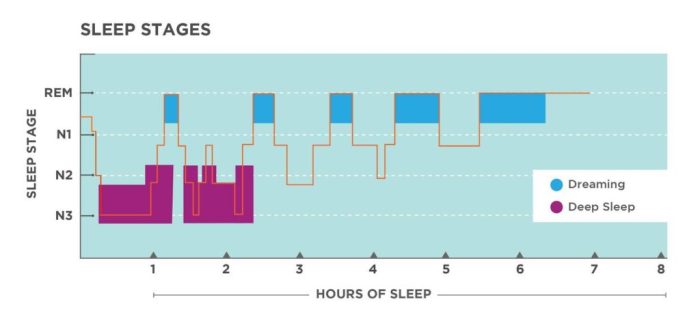
In conclusion, prioritizing sleep is not just a luxury but a necessity for effective weight management. By incorporating sleep strategies into our diet and fitness plans, we can create a holistic approach that enhances both our physical and mental well-being. As we measure sleep quality alongside our weight management efforts, we unlock the potential for a healthier, more balanced lifestyle.
Essential FAQs
How does sleep deprivation affect weight?
Sleep deprivation can lead to increased appetite and cravings, particularly for high-calorie foods, ultimately contributing to weight gain.
Can improving sleep quality aid in weight loss?
Yes, improving sleep quality can enhance metabolism and reduce hunger hormones, making it easier to manage weight effectively.
What sleep disorders are commonly associated with obesity?
Common sleep disorders like sleep apnea and insomnia are often found in individuals with obesity, negatively impacting weight management.
How can I measure my sleep quality?
You can measure sleep quality through various methods, including sleep diaries, wearable devices, and sleep tracking apps that monitor your sleep patterns.
What lifestyle changes can promote better sleep and weight loss?
Lifestyle changes such as maintaining a consistent sleep schedule, reducing screen time before bed, and engaging in regular physical activity can promote better sleep and support weight loss.