Safe physical activities for kids are essential for their overall development and well-being. Engaging in regular play not only enhances physical fitness but also fosters social skills and emotional resilience. Parents and caregivers play a crucial role in ensuring that children partake in activities that are enjoyable while also prioritizing their safety.
From toddler-friendly games to activities suited for older children, there is a wide range of options to keep kids active and entertained. Understanding the necessary equipment, scheduling playtime effectively, and recognizing the significance of nutrition and hydration can make a significant difference in how children experience physical activity.
Safe Physical Activities for Kids

Engaging kids in safe physical activities is crucial for their overall health and development. It not only promotes physical fitness but also enhances social skills, teamwork, and mental well-being. This guide Artikels activities suitable for different age groups, necessary equipment for outdoor play, and a structured weekly schedule to keep children active and entertained.
Safe Physical Activities for Different Age Groups
Selecting the right activities for kids can depend greatly on their age. Here’s a breakdown of safe physical activities tailored to various age groups:
- Infants (0-1 year): Tummy time, gentle movements, and sensory play.
- Toddlers (1-3 years): Simple games like rolling a ball, climbing on soft surfaces, and water play.
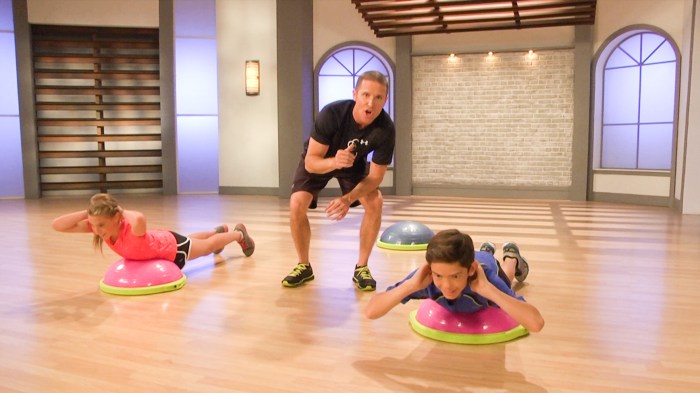
- Preschoolers (3-5 years): Activities such as tag, hide and seek, and obstacle courses using soft materials.
- Early school age (6-8 years): Team sports introduction, bike riding, and swimming lessons.
- Older children (9-12 years): More structured sports, running clubs, and dance classes.
Equipment Needed for Safe Outdoor Play
Having the right equipment ensures that children can safely enjoy their outdoor activities. Below is a list of essential items:
- Soft balls: Ideal for various games and helps in developing motor skills.
- Jump ropes: Excellent for improving coordination and cardiovascular health.
- Hula hoops: Fun for coordination and balance activities.
- Portable playground equipment: Items like slides or balance beams that can be set up in parks or backyards.
- Protective gear: Helmets, knee pads, and elbow pads for biking, skating, or scootering.
Weekly Schedule for Physical Activities
Creating a structured schedule encourages children to participate in various activities, promoting routine and excitement. Here’s a sample weekly plan:
| Day | Activity | Duration |
|---|---|---|
| Monday | Bike riding in the park | 1 hour |
| Tuesday | Swimming lessons | 30 minutes |
| Wednesday | Group games at the playground | 1 hour |
| Thursday | Dance class | 1 hour |
| Friday | Obstacle course at home | 45 minutes |
| Saturday | Family hiking trip | 2 hours |
| Sunday | Rest day or light yoga | 30 minutes |
The Role of Healthcare in Child Physical Activities
Healthcare professionals play a crucial role in shaping the landscape of child physical activities. By providing expert guidance and support, they can help create safe play environments and promote overall wellness among children. Their involvement not only ensures that children engage in physical activities suited to their health status but also fosters a culture of safety and well-being.Healthcare professionals contribute significantly to developing safe play guidelines for children through comprehensive assessments and recommendations tailored to individual needs.
They can conduct evaluations of children’s physical fitness, identify potential health risks, and establish guidelines that align with best practices for safe play. This collaborative approach involves working with educators, parents, and community organizations to ensure that safety information is accessible and actionable.
Importance of Regular Health Check-ups
Regular health check-ups are essential for ensuring that children are fit for physical activities. These routine visits enable healthcare providers to monitor growth, assess physical development, and detect any underlying health issues that may affect a child’s ability to participate in sports or outdoor play. Regular check-ups can help identify conditions such as asthma, allergies, or musculoskeletal issues that could pose risks during physical activities.
By addressing these concerns early on, healthcare professionals can advise parents and coaches on necessary precautions and modifications to ensure safe participation.
Comparison of Healthcare Programs Encouraging Safe Physical Fitness
Numerous healthcare programs are designed to encourage children to engage in safe physical fitness. These programs often combine education, physical activity, and health monitoring to promote a holistic approach to children’s well-being. Examples of such programs include:
- School-based health programs: These initiatives integrate physical activity into the school curriculum, promoting active lifestyles among students while providing resources for health education.
- Pediatric wellness programs: These programs focus on maintaining overall health through regular assessments, dietary guidance, and exercise recommendations tailored to children’s individual needs.
- Community health initiatives: Local health departments often run programs that encourage children to participate in organized sports and recreational activities, ensuring that safety guidelines are followed and health screenings are available.
By providing these varied resources, healthcare programs not only help promote safe physical activity but also foster an environment where children can thrive physically and emotionally. The integration of healthcare into physical activity planning is vital for building a foundation of health that supports lifelong wellness.
The Impact of Nutrition on Safe Physical Activities
Nutrition plays a crucial role in supporting children’s physical activities. The right balance of nutrients can enhance energy levels, improve performance, and aid in recovery, making it essential for kids to have a well-planned diet that aligns with their active lifestyles. Proper nutrition not only fuels their play but also helps in building stamina and strength, ensuring they can enjoy their activities safely and effectively.
Nutritious Snacks That Enhance Energy Levels
Snacks are an important part of a child’s diet, especially for those engaged in regular physical activities. The right snacks can provide the necessary energy boost and help sustain activity levels. A few examples of nutritious snacks include:
- Fruits: Bananas, apples, and berries are excellent for quick energy boosts due to their natural sugars and fiber content.
- Yogurt: A great source of protein and calcium, yogurt can be paired with fruits or granola for added energy.
- Nuts: Almonds, walnuts, and other nuts provide healthy fats, protein, and essential nutrients that help maintain energy levels.
- Whole Grain Crackers: These provide complex carbohydrates that release energy steadily over time, perfect for sustaining physical activities.
- Peanut Butter on Whole Wheat Bread: This combination packs protein and healthy fats, making it a filling and energizing snack.
Hydration and Physical Performance
Hydration is critical for optimizing physical performance in children. Even mild dehydration can lead to fatigue, reduced coordination, and decreased concentration. It’s essential to encourage children to drink water regularly, especially during and after physical activities. Here are key points regarding hydration:
- Water Intake: Children should drink water before, during, and after physical activities to replace lost fluids.
- Signs of Dehydration: Thirst, dark-colored urine, and fatigue are indicators that a child may need to hydrate more.
- Electrolyte Drinks: For prolonged activities, electrolyte solutions can help replenish lost minerals, but should be balanced with regular water intake.
A Balanced Meal Plan for Active Kids
A well-structured meal plan can provide children with the nutrients they need to support an active lifestyle. The following components are essential in a balanced meal plan:
- Breakfast: Whole grain cereal with milk and a banana or scrambled eggs with toast and fruit.
- Lunch: Grilled chicken wrap with vegetables and a side of yogurt; or a quinoa salad with beans, corn, and diced vegetables.
- Dinner: Baked fish or chicken with brown rice and steamed broccoli or a stir-fry with tofu and mixed vegetables.
- Snacks: Include a variety of fruits, nuts, and whole-grain options throughout the day to maintain energy levels.
A balanced diet ensures that children receive adequate vitamins and minerals, supporting not only their physical health but also their overall development and well-being.
Final Thoughts
In summary, safe physical activities for kids are vital for nurturing healthier lifestyles. By providing the right tools, guidance, and nutrition, we can help children develop a lifelong love for active play. Encouraging outdoor adventures and creative games ensures kids not only have fun but also grow stronger, happier, and more connected with others.
Top FAQs
What are some examples of safe activities for kids?
Activities like tag, hide and seek, riding bikes, swimming, and organized sports are great options.
How can I ensure my child stays safe while playing outdoors?
Always supervise play areas, ensure children wear appropriate safety gear, and choose safe environments free from hazards.
What age-appropriate equipment should I consider for my kids?
Consider items such as helmets, knee pads, protective gear, and age-appropriate toys like balls and jump ropes.
How much physical activity should my child get each day?
Experts recommend at least 60 minutes of moderate to vigorous physical activity for children each day.
Are there specific snacks that help maintain energy levels during play?
Nutrient-rich snacks like fruits, yogurt, nuts, and whole-grain products can provide lasting energy for active play.