Understanding Kids’ sleep hygiene is essential for fostering a nurturing environment that promotes children’s health and well-being. Sleep plays a crucial role in a child’s growth, affecting everything from mood and behavior to cognitive abilities and physical health.
Establishing good sleep habits early on can set the foundation for lifelong wellness, as studies show that poor sleep hygiene can contribute to various health issues, including obesity and mental health challenges. By prioritizing sleep, parents can help their children thrive academically and socially.
Importance of Kids’ Sleep Hygiene

Sleep hygiene is crucial for children’s overall health, development, and well-being. Establishing a healthy sleep routine not only helps kids fall asleep faster but also ensures they get the restorative sleep necessary for growth and cognitive function. In today’s fast-paced world, understanding the importance of sleep hygiene can lead to better health outcomes for children, promoting a balanced lifestyle that reflects positively on their performance and behavior.Poor sleep hygiene can significantly impact children’s mental and physical health, leading to a range of issues such as anxiety, depression, and even obesity.
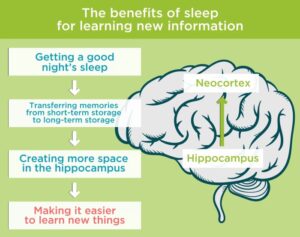
Studies show that children who do not get adequate sleep are more likely to struggle with attention and learning in school. A lack of sufficient sleep can lead to irritability and behavioral problems, making it difficult for them to engage with their peers and teachers effectively.
Statistics on Sleep Patterns and Academic Performance
Understanding sleep patterns in children reveals a concerning trend that correlates directly with their academic performance. Recent statistics highlight that:
- About 25% of children aged 6 to 12 experience sleep problems, which can affect their academic abilities.
- Children who sleep less than 9 hours on average are 10% more likely to perform poorly in school assessments.
- Sleep deprivation has been linked to a 20% decrease in attention spans, affecting classroom learning and participation.
- Research indicates that children with good sleep hygiene habits score significantly higher in standardized tests compared to their sleep-deprived peers.
These figures illustrate the profound impact that sleep hygiene has on a child’s ability to learn, retain information, and interact socially. The importance of establishing a consistent bedtime, creating a calming pre-sleep routine, and ensuring a sleep-friendly environment cannot be overstated. By prioritizing sleep hygiene, parents can enhance not only their children’s health but also their academic success and overall happiness.
Tips for Promoting Healthy Sleep Habits
Establishing healthy sleep habits for children is crucial to their overall well-being and development. Implementing effective strategies can greatly improve the quality of sleep your child experiences. By focusing on routines, environment, and lifestyle choices, parents can create a supportive atmosphere that encourages restful nights.
Strategies for Improving Sleep Hygiene
A consistent approach to sleep hygiene can yield significant benefits for your child. Here are some strategies parents can incorporate into their routines:
- Consistent Sleep Schedule: Encourage your child to go to bed and wake up at the same time every day, even on weekends. This regularity helps regulate their internal clock.
- Limit Screen Time: Reduce exposure to screens at least an hour before bedtime. The blue light emitted by devices can interfere with the body’s natural sleep-wake cycle.
- Healthy Diet: Offer balanced meals and avoid large meals, caffeine, and sugary snacks close to bedtime. Foods rich in magnesium, like bananas and almonds, can promote relaxation.
- Physical Activity: Encourage daily physical activity, but avoid vigorous exercise close to bedtime, as it could lead to increased energy levels.
- Relaxation Techniques: Introduce relaxation exercises, such as deep breathing, meditation, or gentle yoga, to help your child wind down before sleep.
Importance of Bedtime Routines
Establishing a calming bedtime routine is essential for signaling to your child that it is time to wind down and prepare for sleep. A consistent routine helps children feel secure and ready for sleep.
- Wind-Down Time: Set aside 30 minutes to an hour before bed for calming activities such as reading, taking a warm bath, or listening to soft music.
- Storytime: Reading a bedtime story can not only promote bonding but can also stimulate imagination while easing the transition to sleep.
- Consistent Rituals: Incorporate familiar rituals, like brushing teeth or saying goodnight to family members, to foster a sense of security and predictability.
- Bedtime Affirmations: Positive affirmations or gentle reminders about sleep can calm anxious thoughts and reinforce the importance of restful sleep.
Creating a Sleep-Friendly Environment
The environment in which a child sleeps can significantly influence their ability to fall and stay asleep. A well-designed sleep space can promote relaxation and comfort.
- Optimal Room Setup: Ensure that the child’s bedroom is conducive to sleep; this includes a comfortable mattress, appropriate bedding, and minimal clutter.
- Temperature Control: Maintain a cool room temperature, ideally between 68-72°F (20-22°C), as this helps facilitate better sleep.
- Lighting: Use blackout curtains to block out excess light and provide a dark atmosphere. A small nightlight can help ease fear of darkness without disrupting sleep.
- Noise Control: Reduce noise disturbances with white noise machines or soft music to create a serene sleep environment.
- Use of Aromatherapy: Consider using calming scents, like lavender or chamomile, through essential oils or pillows to promote relaxation.
Connection to Broader Health Topics
Understanding sleep hygiene is not just about getting a good night’s rest; it intertwines with several critical aspects of a child’s overall health. The implications of sleep hygiene extend beyond fatigue and affect physical health, mental well-being, and even dietary habits. By examining these connections, we can appreciate the vital role of sleep in maintaining holistic health for children.
Link Between Sleep Hygiene and Health Issues
Research indicates that insufficient sleep and poor sleep hygiene can significantly contribute to obesity and diabetes in children. When children do not get adequate sleep, their bodies may experience hormonal imbalances that affect appetite regulation, leading to increased cravings for high-calorie foods. Furthermore, a lack of sleep can diminish metabolic functions, heightening the risk of type 2 diabetes. Proper sleep hygiene practices, such as maintaining a consistent bedtime and creating a restful sleep environment, can help mitigate these risks.
“Sleep deprivation in children is linked to an increase in body mass index (BMI) and can lead to long-term health complications.”
Studies show that children who sleep less than the recommended hours are more likely to gain excess weight, emphasizing the importance of establishing healthy sleep patterns early on. Encouraging children to engage in regular physical activity and maintain a balanced diet also complements sleep hygiene efforts and contributes positively to their weight management.
Effects of Sleep on Mental Health
Sleep plays a crucial role in the mental health of children. Insufficient sleep can lead to mood disturbances, irritability, and increased stress levels. Children with poor sleep hygiene are at a higher risk of developing anxiety and depression. Moreover, the connection between sleep and addiction issues is an area of growing concern. Sleep deprivation can impair decision-making and increase impulsive behaviors, potentially leading to substance abuse.
“Quality sleep is essential for emotional regulation and resilience in children.”
Creating a stable sleep routine can significantly enhance mood and cognitive functions, allowing children to cope better with daily challenges. Mental health awareness programs should incorporate education about the importance of sleep, helping to cultivate healthier lifestyles that promote emotional well-being.
Alternative Treatments and Practices
In addition to traditional methods of promoting sleep hygiene, several alternative treatments can enhance a child’s ability to achieve restorative sleep. These approaches often focus on holistic methods that address both physical and psychological needs. Certain dietary considerations can play a significant role in improving sleep quality. Here are a few examples of practices that can be beneficial:
- Incorporating Nutrient-Rich Foods: Foods rich in magnesium and calcium, such as leafy greens and dairy products, help promote relaxation and improve sleep quality.
- Avoiding Sugary Snacks: Reducing sugar intake, particularly in the evening, can stabilize energy levels and prevent sleep disruptions.
- Herbal Teas: Chamomile or valerian root teas before bedtime can encourage calmness and prepare the body for sleep.
- Mindfulness and Relaxation Techniques: Practices like yoga and meditation can reduce anxiety and create a mental state conducive to sleep.
Integrating these practices with traditional sleep hygiene strategies, such as creating a consistent sleep schedule and limiting screen time before bed, can lead to improved sleep outcomes for children. The overall goal is to create an environment that supports healthy sleep habits, fostering both physical and mental well-being.
Final Review
In summary, Kids’ sleep hygiene is not just about getting enough hours of sleep; it encompasses developing healthy habits that enhance overall well-being. By implementing effective strategies and fostering a supportive sleep environment, parents can significantly impact their children’s future health and happiness.
FAQ Corner
What are some signs my child has poor sleep hygiene?
Common signs include difficulty waking up in the morning, mood swings, irritability during the day, and poor concentration at school.
How much sleep do children need?
Sleep requirements vary by age, but generally, preschoolers need 10-13 hours, school-age children need 9-11 hours, and teenagers should get about 8-10 hours each night.
Can screen time affect my child’s sleep?
Yes, excessive screen time, especially before bed, can interfere with sleep quality due to the blue light emitted by screens, which can disrupt the body’s natural sleep-wake cycle.
What should I include in a bedtime routine?
A good bedtime routine may consist of calming activities such as reading a book, taking a warm bath, or practicing relaxation techniques, all of which signal to the body that it’s time to wind down.
Are there dietary changes that can improve sleep?
Yes, certain foods, such as those rich in magnesium and tryptophan, can promote better sleep. Limiting sugar and caffeine intake, especially in the afternoon and evening, is also beneficial.