Detox cleanse programs are gaining popularity as individuals seek ways to rejuvenate their bodies and enhance overall wellness. These programs aim to eliminate toxins, improve digestion, and boost energy levels, making them an intriguing option for health-conscious people.
From juice cleanses to herbal detoxes, various options cater to different needs and preferences. Understanding the components, duration, and types of detox programs can empower you to make informed choices for your health journey.
Detox Cleanse Programs Overview
Detox cleanse programs have gained popularity as a holistic approach to health and wellness, focusing on the body’s ability to eliminate toxins and impurities. These programs aim to rejuvenate the body, support its natural detoxification processes, and promote overall well-being. Detox cleanse programs vary widely to cater to different preferences and needs. They can range from juice cleanses and whole-food detoxes to herbal detoxes and fasting protocols.
Each type has its methodology and intended outcomes, ensuring that individuals can choose a cleanse that aligns with their lifestyle and health goals.
Types of Detox Cleanse Programs
Understanding the different types of detox cleanse programs is crucial for selecting the right one. Here are some common types:
- Juice Cleanses: Involves consuming only juices extracted from fresh fruits and vegetables, typically lasting from 1 to 7 days. It aims to flood the body with nutrients while allowing the digestive system to rest.
- Whole-Food Detox: Focuses on eating whole, unprocessed foods, eliminating sugar, caffeine, and alcohol. This cleanse can last from 7 to 30 days, promoting the intake of nutrient-dense foods.
- Herbal Detox: Incorporates herbal supplements and teas designed to support liver function and digestion, often spanning 2 to 4 weeks.
- Water Fasting: Involves abstaining from all food and only consuming water for a specified period, usually ranging from 24 hours to several days. This is one of the most intensive forms of cleansing.
Duration and Components of Detox Cleanse Programs
The duration of detox cleanse programs can vary significantly, depending on the type and goals. Most programs fall within a range of 1 to 30 days. Each type typically includes specific components that contribute to the overall detoxification process. Common components found in detox programs include:
- Dietary Changes: Adjustments such as eliminating processed foods, sugars, and dairy while increasing fruits, vegetables, and water intake.
- Hydration: Emphasis on drinking plenty of fluids, including water, herbal teas, and fresh juices to aid in flushing out toxins.
- Supplements: Optional additions like probiotics, fiber, or herbal detox supplements to support digestive health and detoxification.
- Rest and Relaxation: Encouragement to engage in restorative practices, such as yoga or meditation, to enhance overall wellness during the cleanse.
“Detoxification is not just a physical process; it is also about mentally and emotionally resetting oneself.”
Health Implications of Detox Cleanse Programs

Detox cleanse programs have gained popularity as a means to improve overall health and well-being. These programs often promise a variety of health benefits, primarily centered around the concept of eliminating toxins from the body. However, understanding both the potential benefits and the associated risks is crucial for anyone considering such a regimen.
Potential Health Benefits
Engaging in a detox cleanse program can offer several health benefits, which contribute to general wellness and vitality. Some of these benefits include:
- Improved Digestion: Detox programs often include a focus on whole foods and hydration, which can enhance digestive health.
- Increased Energy Levels: Many individuals report feeling more energized after a detox regimen, likely due to healthier eating habits and reduced intake of processed foods.
- Better Skin Health: As the body eliminates toxins, many people experience clearer skin, potentially due to improved hydration and nutrient intake.
- Weight Loss: Detox programs often result in short-term weight loss, primarily due to reduced calorie intake and elimination of high-calorie foods.
Risks and Side Effects
While there are notable benefits, detox cleanse programs can also pose risks and lead to side effects, especially if not approached correctly. It’s important to consider the following:
- Nutritional Deficiencies: Some detox diets are too restrictive and can lead to a lack of essential nutrients, which may cause fatigue and weakened immunity.
- Detox Symptoms: Individuals may experience headaches, fatigue, or irritability as the body adjusts, sometimes referred to as “detox symptoms.”
- Digestive Issues: Rapid changes in diet can lead to digestive discomfort, including bloating and diarrhea.
- Possible Electrolyte Imbalance: Extreme detox programs may disrupt the body’s electrolyte balance, leading to potentially serious health issues.
Contraindications for Specific Health Conditions
Certain health conditions can make detox cleanse programs risky or contraindicated. Individuals with the following conditions should approach detoxification with caution or consult a healthcare professional first:
- Chronic Illnesses: People with diabetes, kidney disease, or liver conditions may experience complications due to drastic dietary changes.
- Pregnancy and Breastfeeding: Detox programs can negatively impact fetal or infant health due to restricted diets and nutrient deficits.
- Eating Disorders: For individuals with a history of eating disorders, detox cleansing can exacerbate unhealthy behaviors and thoughts around food.
- Medications: Some detox methods can interact with medications, altering their effectiveness or leading to harmful side effects.
Nutrition and Detox Cleanse Programs
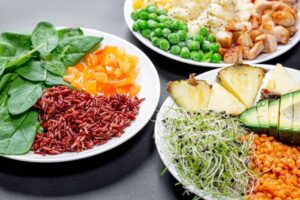
Detox cleanse programs are not just about eliminating toxins; they also emphasize the importance of nutrition in supporting the body’s natural detoxification processes. A well-structured meal plan, adequate hydration, and appropriate herbal teas play crucial roles in maximizing the benefits of a detox cleanse. By focusing on nutritious whole foods, individuals can enhance their energy levels and overall vitality while flushing out impurities.A balanced detox meal plan typically centers around whole, unprocessed foods that are rich in nutrients.
This includes an abundance of fruits and vegetables, whole grains, and lean proteins. The following is a week-long meal plan designed to foster detoxification:
Detailed Meal Plan for a Week-Long Detox Cleanse Program
This meal plan is crafted to provide essential nutrients while promoting detoxification. Each day consists of three main meals and light snacks to maintain energy levels.
- Day 1:
- Breakfast: Green smoothie (spinach, banana, almond milk)
- Lunch: Quinoa salad (quinoa, cucumber, cherry tomatoes, lemon dressing)
- Dinner: Baked salmon with steamed broccoli
- Snacks: Carrot sticks with hummus
- Day 2:
- Breakfast: Oatmeal topped with berries
- Lunch: Lentil soup with mixed greens
- Dinner: Stir-fried tofu with bell peppers and brown rice
- Snacks: Apple slices with almond butter
- Day 3:
- Breakfast: Chia pudding with coconut milk and mango
- Lunch: Spinach and avocado salad with chickpeas
- Dinner: Zucchini noodles with marinara sauce
- Snacks: Celery sticks with guacamole
- Day 4:
- Breakfast: Smoothie bowl (mixed berries, banana, granola)
- Lunch: Grilled chicken with roasted vegetables
- Dinner: Stuffed bell peppers (quinoa, black beans, tomatoes)
- Snacks: Mixed nuts
- Day 5:
- Breakfast: Avocado toast on whole-grain bread
- Lunch: Vegetable stir-fry with brown rice
- Dinner: Baked sweet potato with kale
- Snacks: Orange slices
- Day 6:
- Breakfast: Smoothie (kale, pineapple, coconut water)
- Lunch: Tomato and cucumber salad with feta
- Dinner: Grilled shrimp with asparagus
- Snacks: Dark chocolate (small piece) and strawberries
- Day 7:
- Breakfast: Quinoa breakfast bowl (quinoa, almond milk, nuts)
- Lunch: Roasted vegetable and bean salad
- Dinner: Cauliflower curry with basmati rice
- Snacks: Homemade energy balls (dates, nuts, cocoa)
Role of Hydration and Herbal Teas in Detox Cleanse Programs
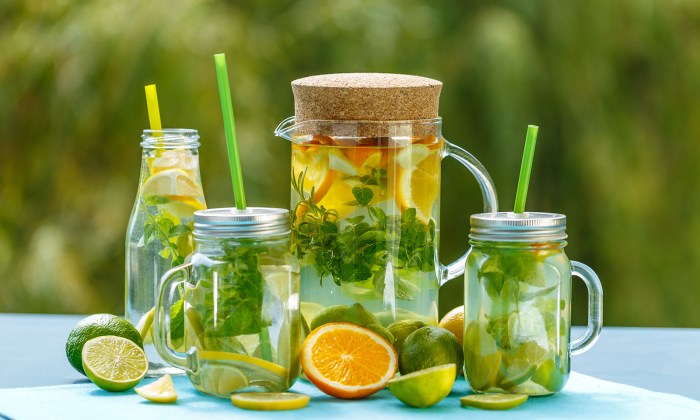
Hydration is vital during a detox cleanse as it aids in flushing out toxins through urine and sweat. Consuming adequate water supports kidney function, which is essential for detoxification. Additionally, herbal teas can complement hydration efforts by offering unique health benefits, such as improved digestion and reduced inflammation.Incorporating herbal teas into your detox routine can enhance the detoxification process. Here are a few beneficial herbal teas to consider:
- Dandelion Tea: Supports liver detoxification and aids digestion.
- Nettle Tea: Rich in nutrients and helps enhance kidney function.
- Ginger Tea: Known for its anti-inflammatory properties and ability to support digestive health.
- Green Tea: Packed with antioxidants that promote overall health and can help boost metabolism.
Recipes for Smoothies and Juices that Support Detoxification
Smoothies and juices are excellent for providing essential nutrients while being easy to digest. Below are a few simple recipes that can support detoxification:
- Green Detox Smoothie:
Blend 1 cup spinach, 1 banana, 1/2 cup cucumber, 1/2 cup almond milk, and a tablespoon of chia seeds.
- Berry Antioxidant Juice:
Juice 1 cup strawberries, 1/2 cup blueberries, and 1 orange for a refreshing drink.
- Cleansing Citrus Smoothie:
Combine 1 grapefruit, 1/2 banana, 1/2 cup coconut water, and a handful of mint leaves in a blender.
- Detox Green Juice:
Juice 2 green apples, 1 cucumber, 1/2 lemon, and a handful of kale.
These recipes provide essential vitamins and minerals while promoting hydration and detoxification. By integrating these nutrition-based strategies into a detox cleanse program, individuals can significantly enhance their overall health and well-being.
Closing Notes
In summary, detox cleanse programs offer a pathway to better health by removing toxins and promoting a balanced lifestyle. While they come with potential benefits and risks, a well-planned detox can lead to renewed vitality and improved well-being, making it a worthwhile consideration for many.
Essential FAQs
What are detox cleanse programs?
Detox cleanse programs are structured regimens that help eliminate toxins from the body, often involving specific diets or juices.
How long do detox programs typically last?
Most detox programs last from a few days to several weeks, depending on the type and individual goals.
Are there any risks associated with detox cleanses?
Yes, potential risks include nutrient deficiencies, dehydration, and adverse reactions in individuals with certain health conditions.
Can I continue my regular diet while detoxing?
It’s generally recommended to follow the specific dietary guidelines of your chosen detox program for the best results.
How can I stay hydrated during a detox cleanse?
Drinking plenty of water and incorporating herbal teas can help maintain hydration during a detox cleanse.